



The internet is not a real place.
I know that it has become where most of us learn, work, shop, socialize, and seek entertainment. I know that as you read this off your screen it may seem wrong. But the internet is not a real place. Let me explain.
The film Morbius was released in April to middling reviews and weak audience reaction. Still, it managed to make back its production and marketing budgets and maybe turn a small profit. That said, in the age of Marvel cinematic juggernauts, Morbius was an afterthought.
But then a tweet mocking the Jared Leto-led vampire pic went viral. “It’s Morbin time” memes were all over the place. Even Leto got in on the joke.
Looking to capitalize on this online virality, Sony pushed Morbius back into theaters. Even if only a fraction of the 200,000 people who liked the original “Morbin time” tweet bought a ticket, the studio could see a nice payday.
Morbius was rereleased into more than 1,000 theaters and earned $300,000. The rerelease sparked by viral memes earned just $289 per theater. That is because the internet is not a real place. It is a piss-take.
On May 17, actor Seth Green posted on Twitter to reveal that he had fallen victim to a phishing scheme that resulted in him losing possession of four NFTs. While many celebrities have gotten burned after putting their wealth and fame behind crypto, this was especially bad for Green who has plans to feature his stolen Bored Ape NFT in his upcoming animated series White Horse Tavern.
Green’s Bored Ape NFT was then purchased by a new buyer for the equivalent of $200,000, which raised debate over intellectual property rights in the NFT marketplace. Was the new buyer of the ape image now owed royalties from Green’s animated series? Was Green due to have his ape returned? Where are the bounds of ownership in this new digital financial landscape?
Almost a month after losing his prized ape, Green confirmed that the NFT was back in his possession. A Buzzfeed review of financial records showed that Green appears to have paid almost $300,000 for the return of his ape. That same month the floor prices for Bored Ape NFTs would hit an annual record low.
“Remember those Bored Ape NFTs that Paris Hilton and Jimmy Fallon were talking about? Their value has been slashed by half,” said Ryan Knutson, co-host of Wall Street Journal podcast The Journal, in a recent episode. “At the same time, the crypto industry has seen a surge in lawsuits alleging that digital coins were hyped and sold under false pretenses often involving celebrity promoters.”
Despite the initial buzz surrounding NFTs and the celebrities who leveraged their fame to stoke the market, this fledgling economy appears to grow more and more uncertain. That’s because the internet isn’t a real place. It’s a machine for turning everything into a product.

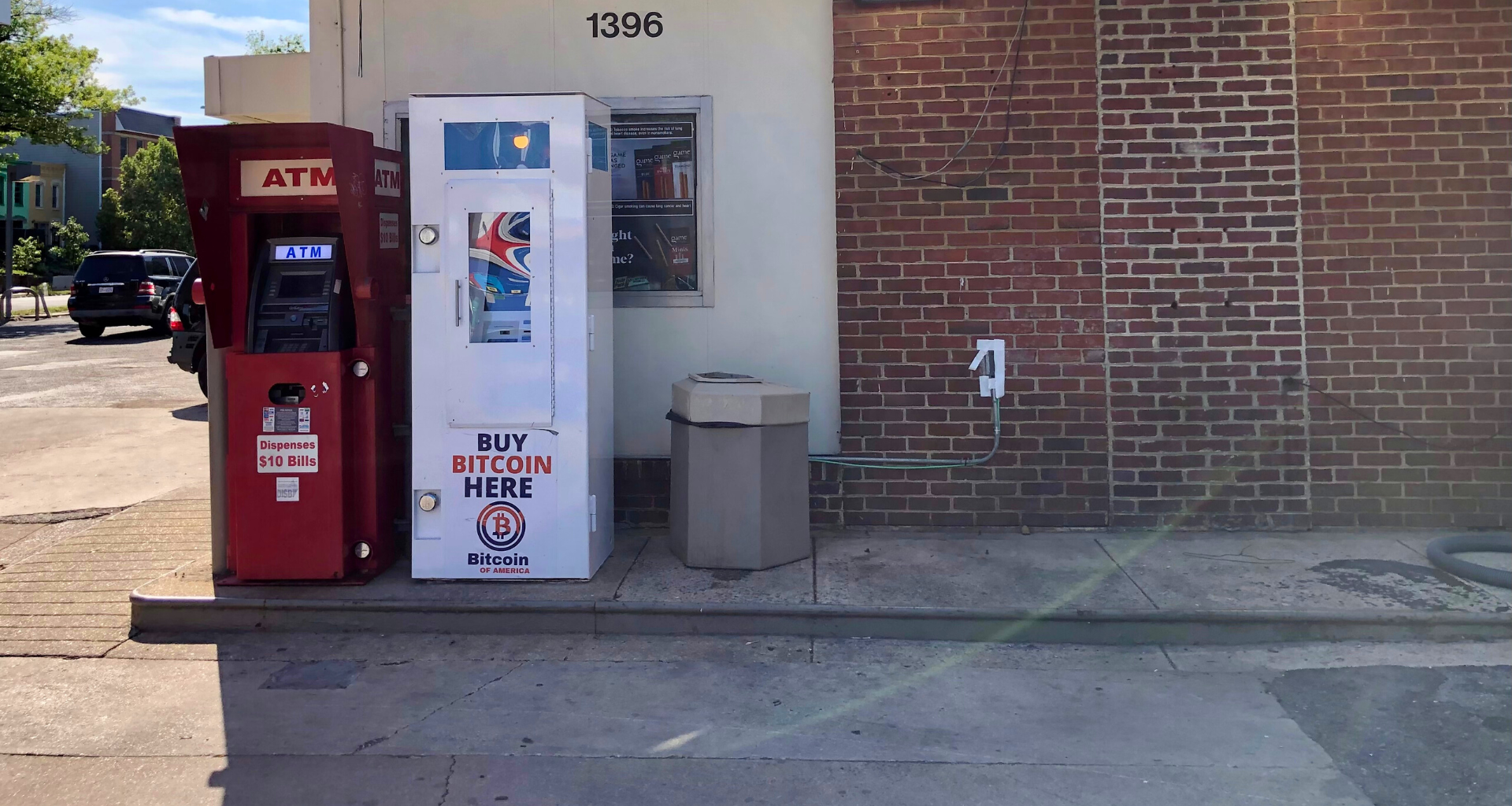
The same month that Seth Green regained ownership of his stolen ape, the company Offline Cash issued a press release for the company’s Bitcoin Note — printed cash tied to the popular cryptocurrency. According to the company, a limited run of 2,100 notes is set for release later this summer.
“Cash is the most common form of peer-to-peer payment, but previously it was infeasible to issue cash notes in a self-custodial, trustless, verifiable way,” said Cameron Robertson, co-founder of Offline Cash, in the release. “The Bitcoin Note uses the same kind of printing techniques as government-issued cash with an added secure chip.”
Yes. A digital replacement for our current currency will soon be represented as printed bills. Things have circled back around to this point. That’s because the internet isn’t a real place. It’s a simulacrum.
In the 1981 philosophical treatise Simulacra and Simulation, Jean Baudrillard writes, “We live in a world where there is more and more information, and less and less meaning.”
This theory is supported by a Buzzfeed News analysis of Facebook data that found that leading up to the 2016 Presidential election, users engaged more with fake stories than anything resembling the truth. Additionally, researchers examining Twitter data from 2006 to 2017 reported that “False news reached more people than the truth,” adding, “Falsehood diffused significantly farther, faster, deeper, and more broadly than the truth in all categories of information.”
Surprisingly, these same researchers found that bots accelerated true and false stories at the same rate, “implying that false news spreads more than the truth because humans, not robots, are more likely to spread it.”
That’s because, as I’ve said before, the internet is not a real place. And at this point we can’t let it be treated that way.


